    /\
   /  \      _____ _____ _______ ______ __  __ _____ _____   _____ _____ _____
  / /\ \    |  _  |  _  |__   __|  ____|  \/  |_   _/ ____| |_   _|_   _|_   _|
 / /__\ \   | |_| | |_| |  | |  | |__  | \  / | | || (___     | |   | |   | |
/________\  |  _  |    _/  | |  |  __| | |\/| | | | \___ \    | |   | |   | |
|   ||   |  | | | | |\ \   | |  | |____| |  | |_| |____) |  _| |_ _| |_ _| |_
|___||___|  |_| |_|_| \_\  |_|  |______|_|  |_|_____|_____/ |_____|_____|_____|_
Artemis III Tracker — NASA Moon Mission 2027
Four astronauts · ~2-week shakedown in low Earth orbit · targeting 2027 · first crewed test of the commercial Human Landing Systems. All confirmed official NASA information as of August 27, 2026.
🌙 Looking for the previous flight? See the full Artemis II mission archive — crew safely home after the first crewed lunar flyby since 1972. →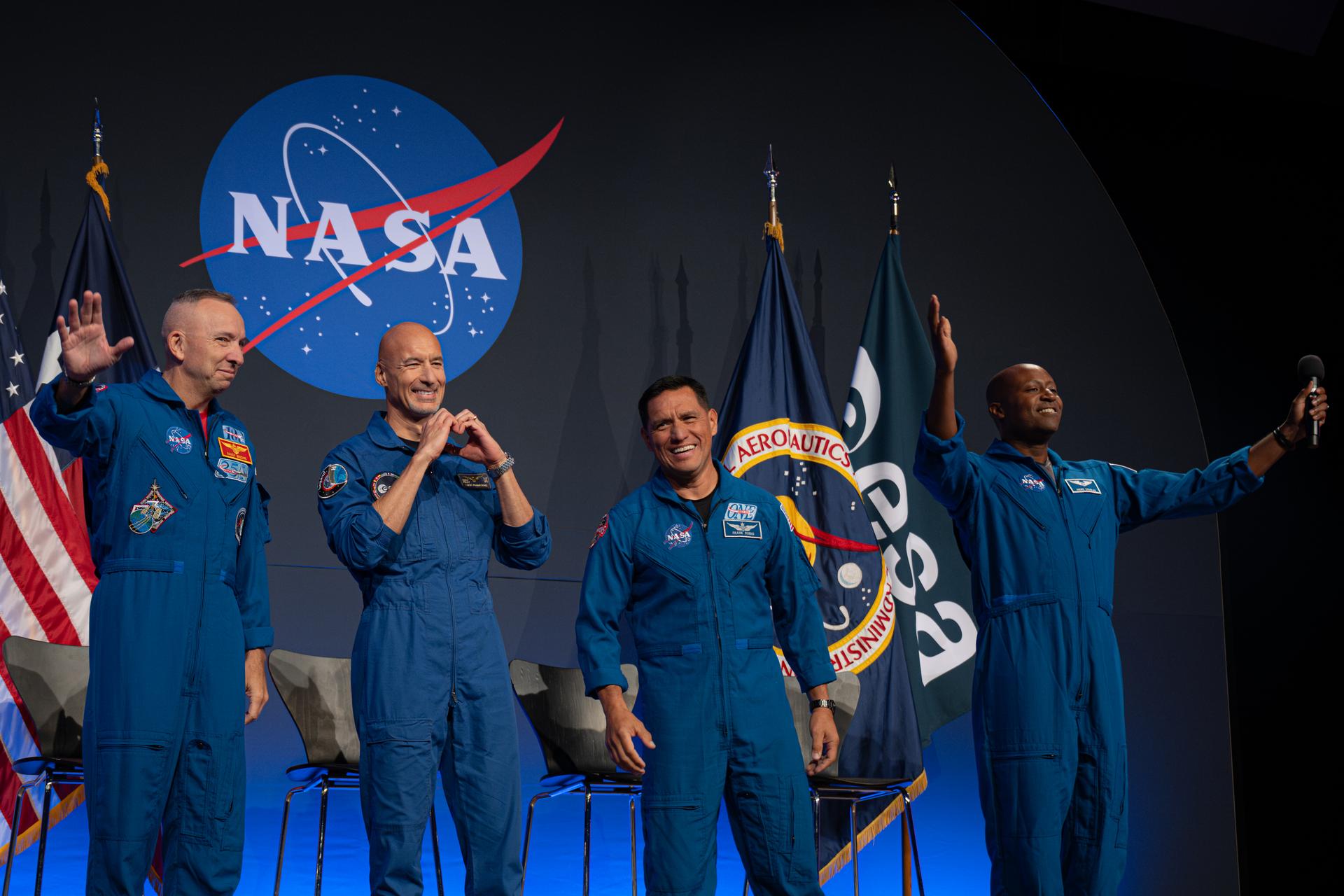
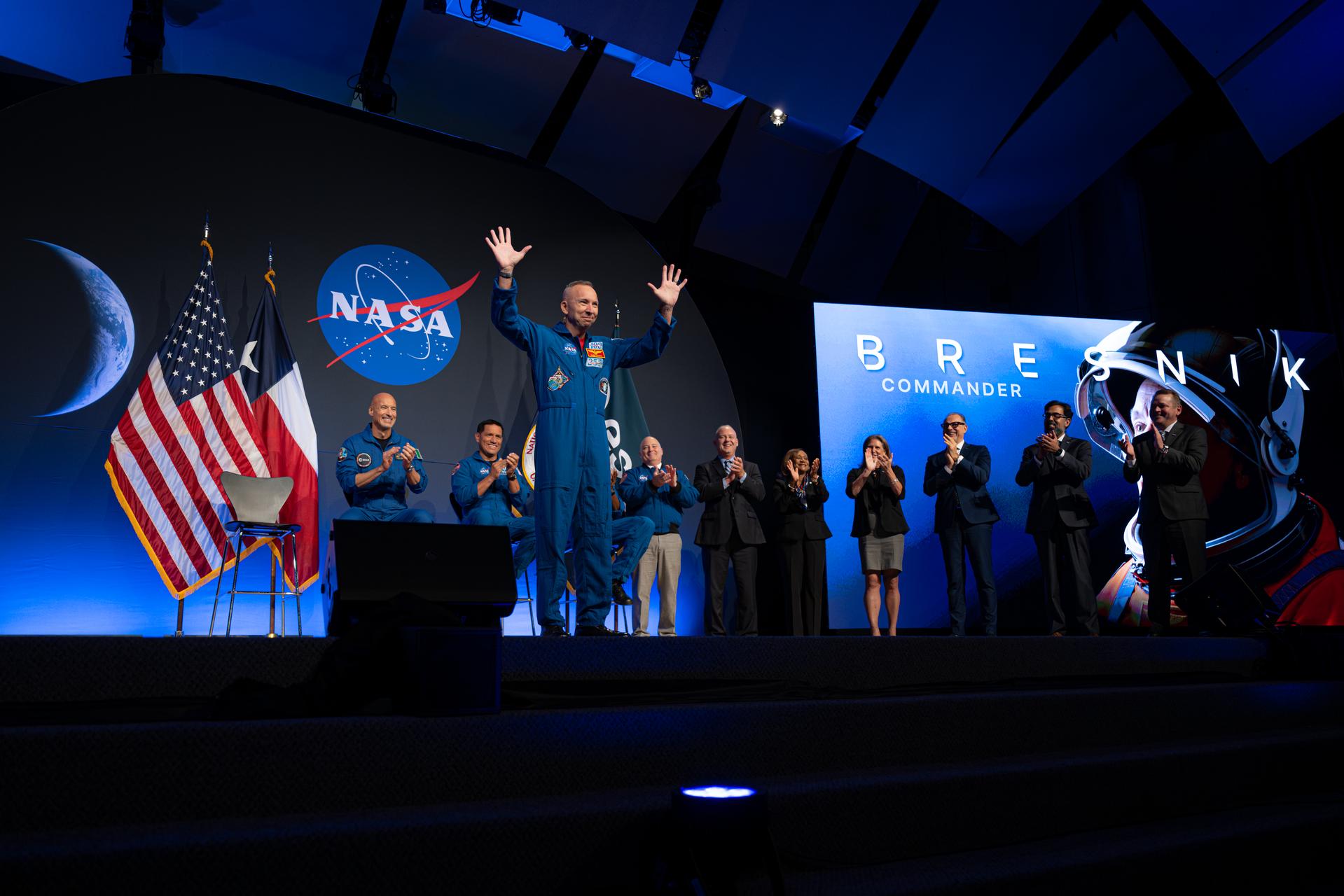
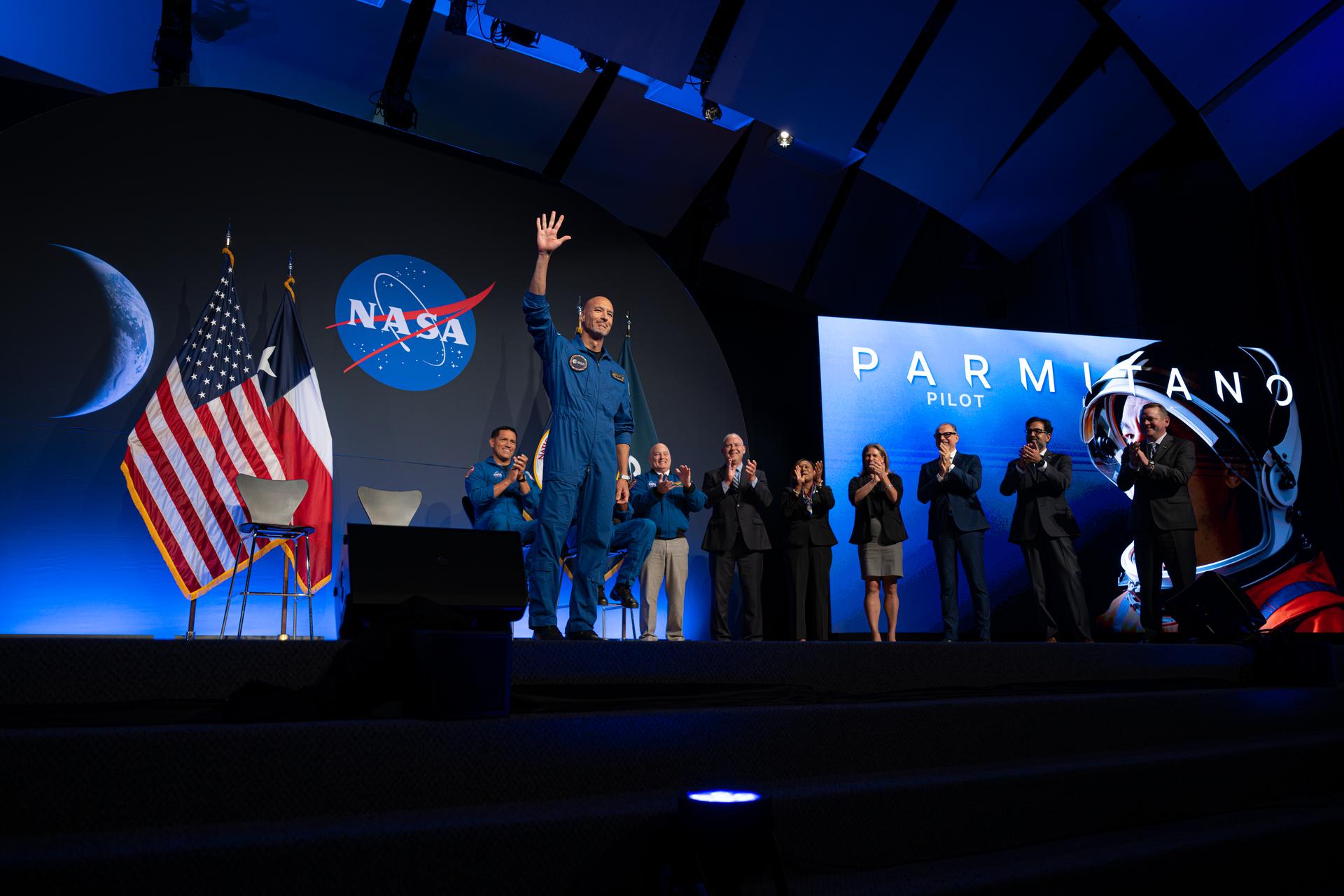
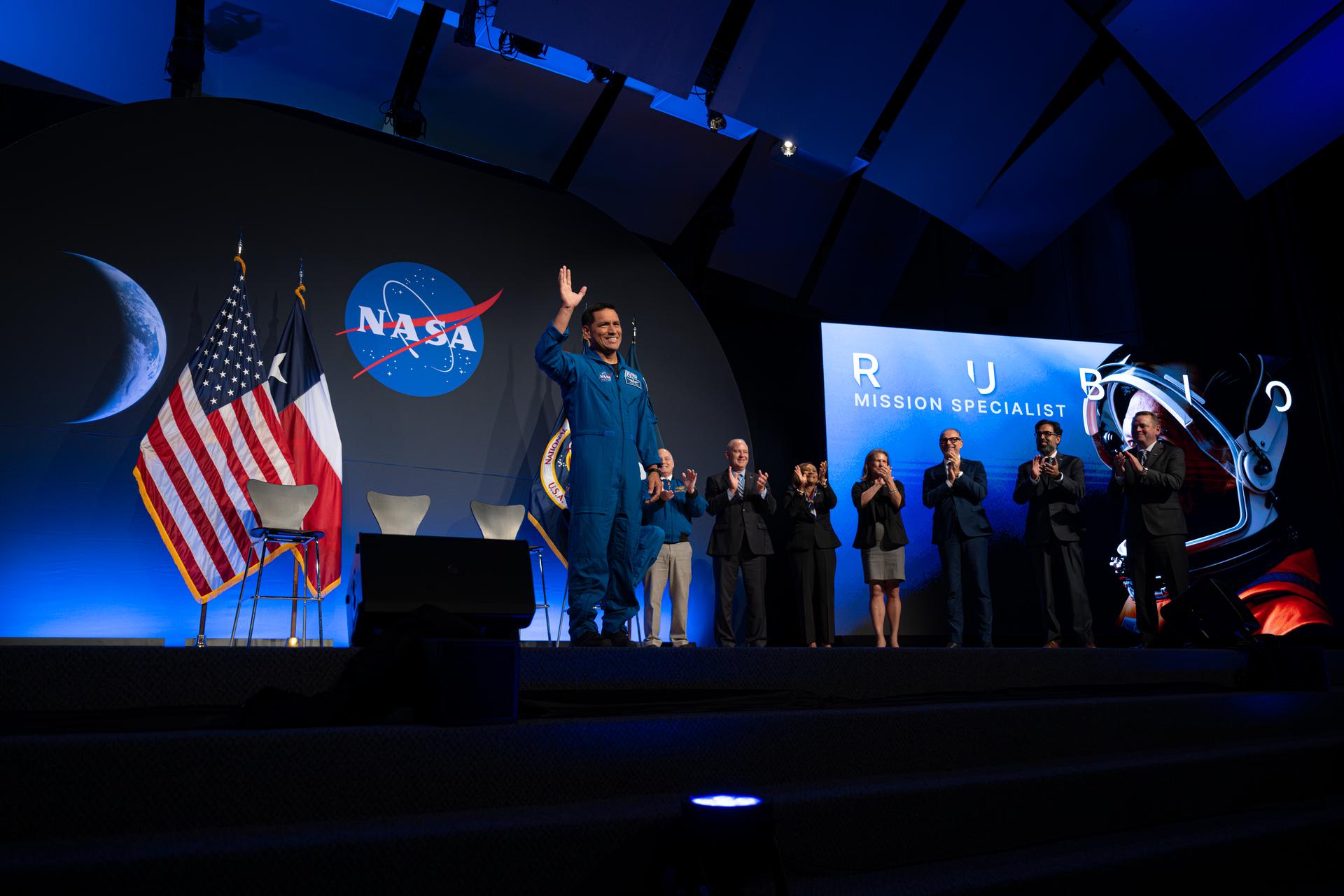
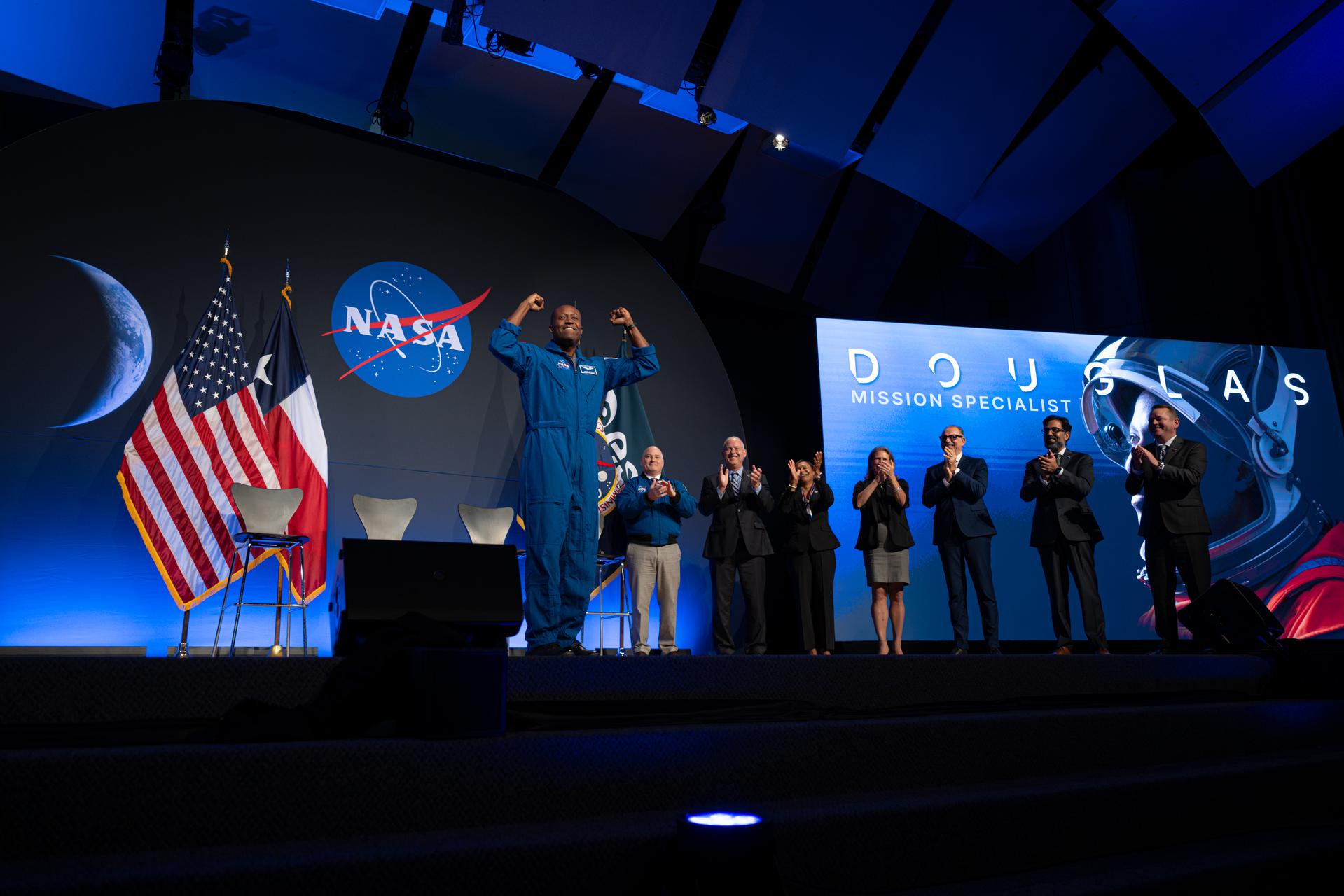
Backup: NASA astronaut Bob Hines trains alongside the prime crew and can substitute into the mission if needed.
In a major revision announced on June 9, 2026, NASA confirmed that Artemis III is no longer the first lunar-landing flight. Instead, it will fly four astronauts on a roughly two-week mission in low Earth orbit — the same region where the International Space Station operates — to carry out the in-space tests still needed before a crew can land on the Moon.
After launching on the Space Launch System (SLS) and checking out Orion's crewed systems, the spacecraft will, for the first time, demonstrate rendezvous and docking with test versions of both American commercial Human Landing Systems (HLS) under development by Blue Origin and SpaceX.
Per the mission profile NASA detailed in July 2026, Blue Origin's New Glenn rocket launches first, sending an uncrewed Blue Moon Mark 2 test lander to orbit, where it can loiter for up to 30 days. SLS/Orion then launches and docks with Blue Moon along its side for about two days, during which up to two astronauts don spacesuits and enter its cabin to test ingress, egress and life-support hardware, alongside an Axiom AxEMU spacesuit mass simulator. Orion then undocks and, once SpaceX's Starship (Version 3) arrives, docks with it nose-to-nose for about a day — the crew does not enter Starship, which carries no crew cabin or life-support system.
These demonstrations are essential groundwork for Artemis IV, now planned as the first crewed mission to the lunar South Pole in 2028.
Orion: the crew and service modules were joined on July 30, 2026 at Kennedy Space Center's Neil Armstrong Operations and Checkout Building, and the combined spacecraft completed its first power-on test shortly after.
SLS core stage: installation of the four RS-25 engines — reused Space Shuttle-era engines E2048, E2052, E2054 and E2057 — began on August 24, 2026.
Solid rocket boosters: stacking began in early July 2026 in the Vehicle Assembly Building and was more than half complete as of August 27, 2026.
Crew training: Bresnik, Parmitano, Rubio and Douglas have completed water-survival training, post-landing emergency drills and spacesuit egress practice in the Neutral Buoyancy Lab, and continue integrated simulations with the flight control team and daily Orion mockup operations.
On August 14, 2026, NASA Administrator Jared Isaacman said he was “extremely confident” that NASA will launch Artemis III in 2027.